
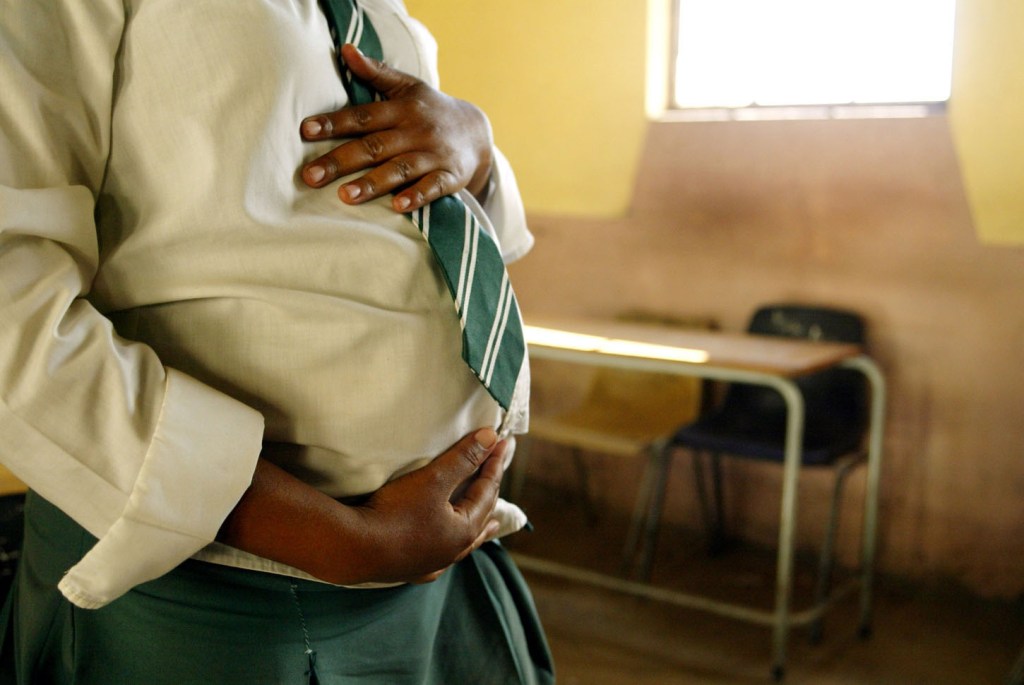
There are different definitive terms used to mean a young mother, including teenage mothers, adolescent mothers, or school-going mothers. In this article, a young mother is a woman who becomes a mother in adolescence. An adolescent is anyone aged between 10 to 19 years.
Despite the efforts being made by different faith-based organizations, the government, civil society organizations, stakeholders, and other persons of interest, teenage pregnancies have continuously been growing. Data from the Kenya Data and Health Survey in 2014 revealed that 1 in every five girls between the age of 15 to 19 years is pregnant or already a mother. A 2019 statistic by the Global Childhood Kenya indicated that Kenya has the third-highest number of teen pregnancies and is leading on the same in East Africa. Consequently, over 13,000 teenage girls annually drop out of school due to pregnancies, the number of HIV cases has seen a rise and sexual abuse, among others.
To fully understand how to effectively eradicate teenage pregnancies and improve the quality of girls’ lives in Kenya and globally, it is essential to understand where our efforts are most needed and where resources need to be allocated. Several structural and systematic issues contribute to the rising number of teenage pregnancies.
Early marriage
In developing countries, approximately 90% of births for girls aged between 15 to 19 result from early marriages. The power dynamic in this setting is imbalanced, making it impossible for these girls to access contraceptives and are often pressured to prove their fertility.
Poverty
Girls raised in poor economic conditions often opt to get married to escape these conditions. Consequently, they are also not able to access quality and consistent education. Girls with minimal education are five times more likely to become mothers earlier than those with access to higher education. In turn, these result in dropouts, limiting their access to employment opportunities, thus continuing the cycle of poverty.
Sexual violence
Sexual abuse of children and adolescent is on the rise. Predatory men’s sex tourism, among other risks, accompanied situations, have continuously been putting children and teenage girls at risk f pregnancies, among other health and psychological issues. The number of cases received daily on cases of defilement of girls is highly alarming. Children and teenage girls feel they are not safe either with family or society. Due to forced penetration, they experience other problems related to unsafe sexual activities. Similarly, early predisposition to sexual activities places girls at a higher risk of teenage pregnancies.
Sex education
Lack of comprehensive education on safe and unsafe sexual activities. Sexual education should be an essential key factor in informal or formal education. Girls must be equipped with accurate information on sex and reproductive health. which will help them identify risk-involved situations. Inaccessibility of sexual and reproductive health services has also been a significant cause in the rise of teenage pregnancies.
 WELLNESS WEALTH KENYA
Leave a comment