
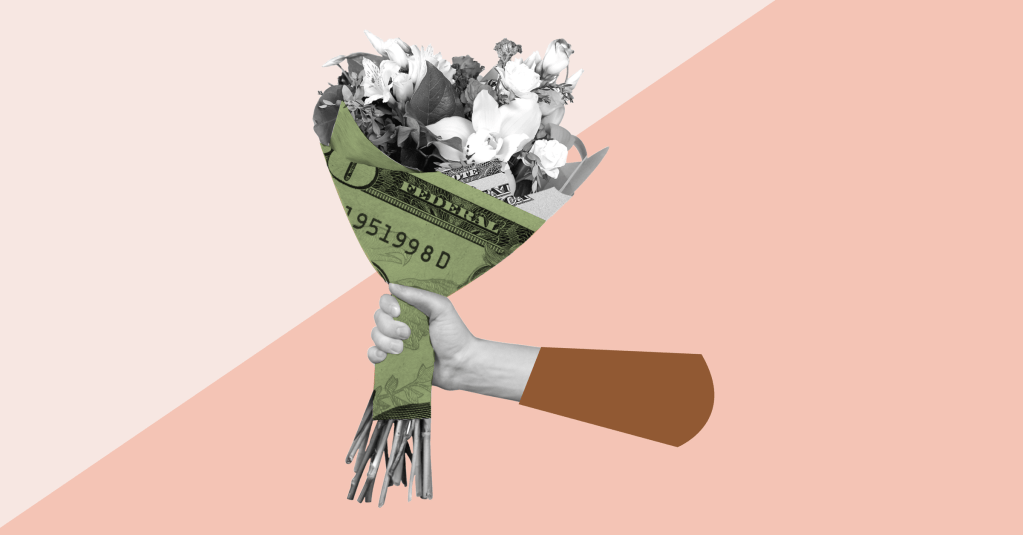
Like any other aspect of your life, your financial state is a key determinant in how you lead your daily life. We put effort into understanding how our relationships and interactions are affected by who we are but most people are not aware of the relationship they hold with money and what influences it. Money is the number one key that leads to divorces and separations. What determines whether one will be transparent in the subject of money is highly intertwined with the personal relationship they have with money.

To illustrate, having been brought up in church, I was told that money was the root of evil and even though I never fully believed it. It has over time affected the extent of how much I earn and spend my money. I have often found myself only working towards a certain satisfactory amount- not more nor less.
Secondly, I grew up with an understanding that the subject of money is a private issue that you and only you should be aware of, discussing money to date makes my blood run cold. This has affected my other relationships and connections having been termed as secretive and stingy. Whether you like it or not we are all struggling with some negative money mindsets and to an extent a toxic alliance that you are probably trying to worth through.
Your relationship with money goes beyond writing goals and creating a financial plan. It transcends the effort you put into earning your financial freedom. To fully understand the type of connection you have with money, you must look at the things that have influenced it and how they translate to your current behavior. How you spend or earn your money is a result of several factors that have been in play since birth.
Like any other aspect of our life, the extent of influence starts in childhood. How your parents and the society in which you grew up introduced you to the subject of money and wealth still, consciously or subconsciously, affects how you spend or earn your money. We hold different beliefs and attitudes towards money. Whether it is holding money high in your scale of security and stability or the insecurities surrounding the subject, they all stem from somewhere.
The second influencing factor is the difficult financial crisis and experiences we have had. Whether it’s debts or a major economic crisis, it highly affects your relationship with money and wealth. For example, people born during the great depression and recession behave differently than those born after. Similarly, living through high or low inflation rates affects your earning, spending, saving, and investment behavior.
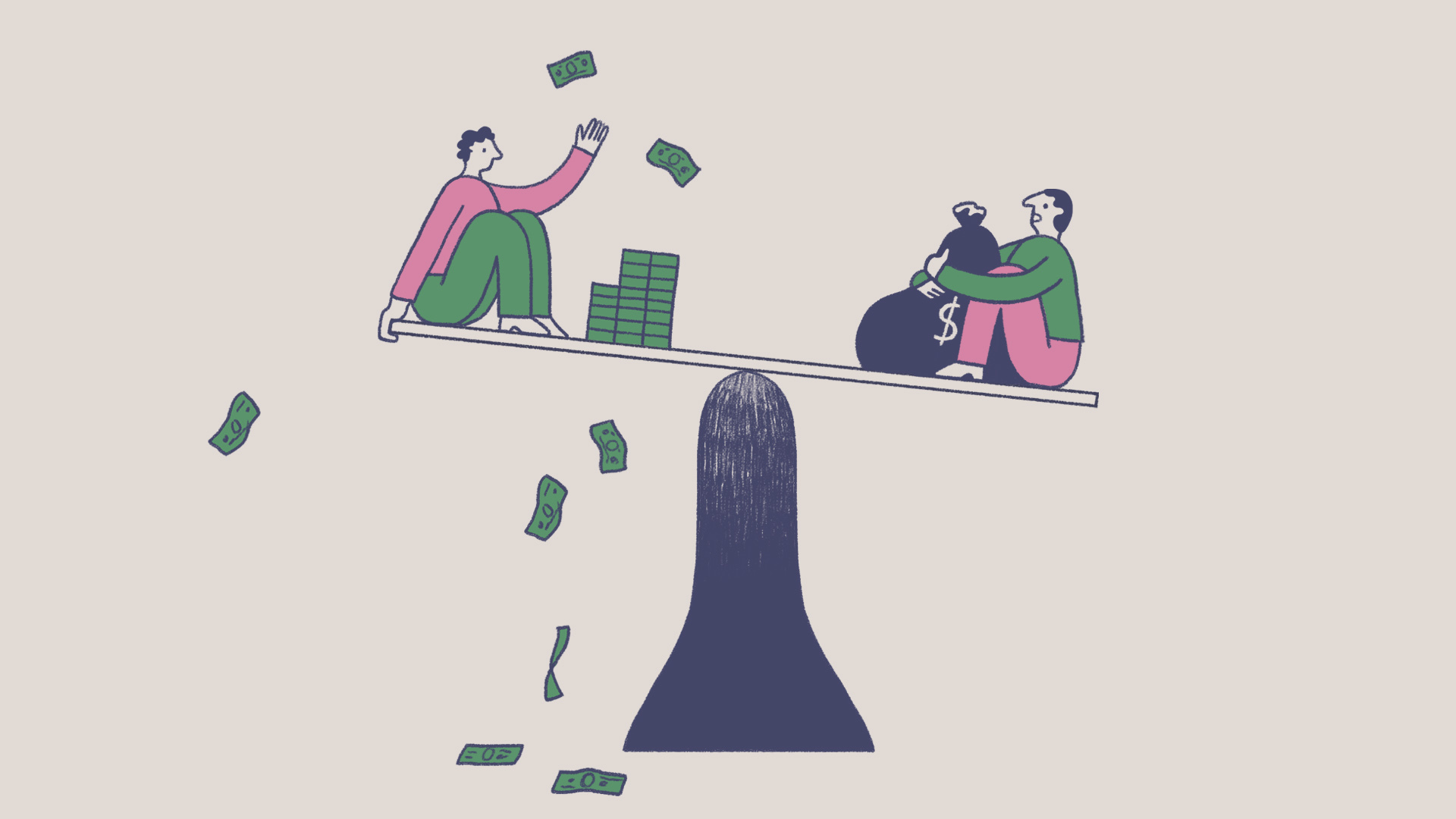
Your personality is the greatest determinant of the kind of relationship between you and money. Like all relationships, your personality dictates how you behave towards things and this too largely applies to money. Gaining a better understanding of the category you fall in will help determine the relationship you have with money. There are big five personalities, they include big spenders, savers, shoppers, debtors, and investors.
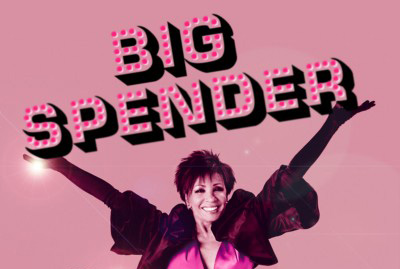
Big spenders
These are people who enjoy the most expensive cars, homes, latest trends in fashion. They are usually looking to make a statement and are not bargainers. They are not afraid of debts and usually take large investment risks.
Savers
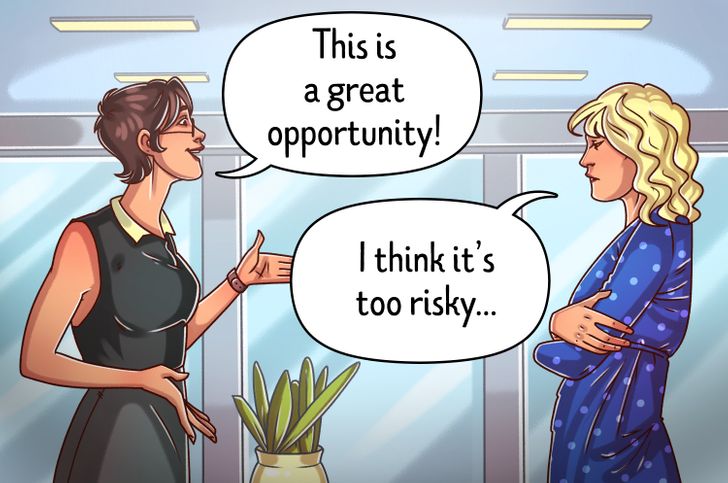
Savers on the other hand are extremely careful with their money and are highly concerned about cutting costs. They do not care about the latest trends or fashion, buy only what is necessary, and believe in saving for a rainy day. The extreme case of savers is money hoarders. Their satisfaction is derived from the amount they have than buying something new. They are conservative and don’t take huge investment risks.
Shoppers
They have a deep emotional connection with purchasing things they don’t need. They enjoy spending on themselves and others consciously or impulsively. Despite them being aware of their addiction they exercise minimal to zero control over it. There are two types of shoppers, those who invest sometimes and those who view investing as something they will get into someday.

Debtors
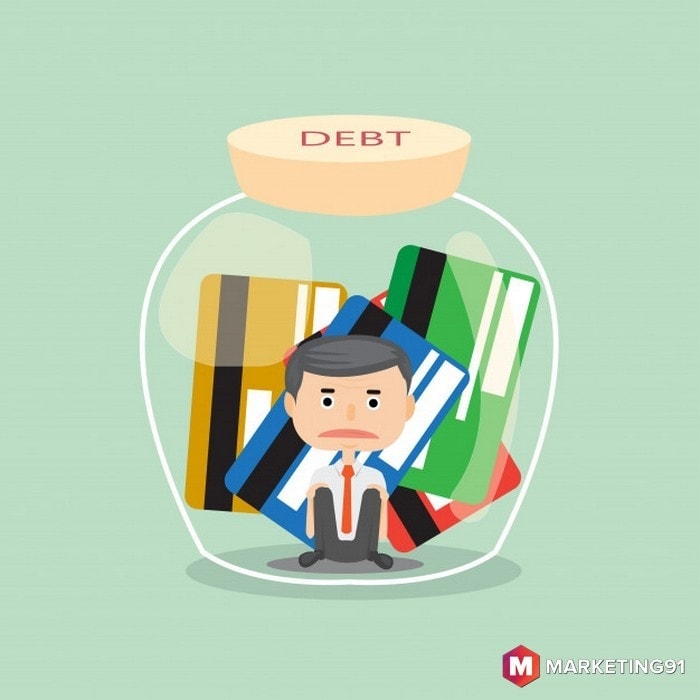
Debtors are not interested in making a statement nor do they find joy in spending on themselves. They are simply people who do not give much thought to their daily finances and usually spend beyond their means burying themselves in debts. They have little to no interest in investing and don’t take their financial future seriously.
Investors
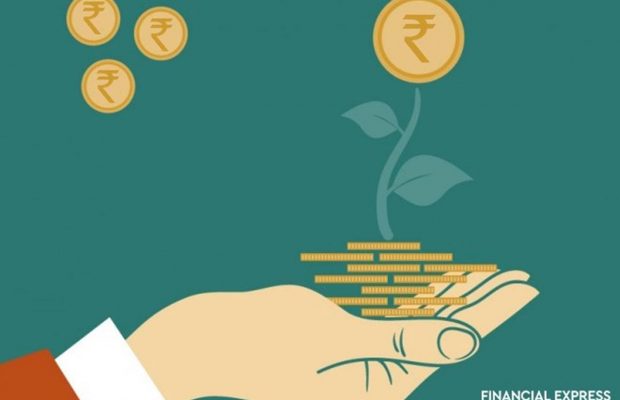
Investors take their financial life seriously. They are usually looking for lucrative investment opportunities and are aware of the amount of risk they are willing to make. Despite their current financial state, they are always working towards better and more profitable opportunities.
Conclusion
Money does not dictate happiness but I do believe it plays an important role in your quality of life and happiness. Constantly living in debt creates anxiety and stress. Therefore, it is crucial to understand the relationship between you and money to better your financial life. Money can help create a sense of security for your family, serve as a buffer for emergencies, and aid as a tool in achieving your goals.
What should you do to improve your relationship with money?
- Respect Money
- Acknowledge and understand your shortcomings with money, pain points, and evaluate why you feel like that
- Understand that reaching your financial goal is freeing and empowering
- Know that wealth can help you help others better
- See money as a way of achieving your goals
- Separate the aspect of evil and greed from money and health
Start working towards changing your relationship with money and you will improve your spending habits, increase your wealth, have control over your finances, and generally improve the quality of your life.
What type of relationship do you have with money? What are you doing to improve it?
 WELLNESS WEALTH KENYA
Leave a comment