
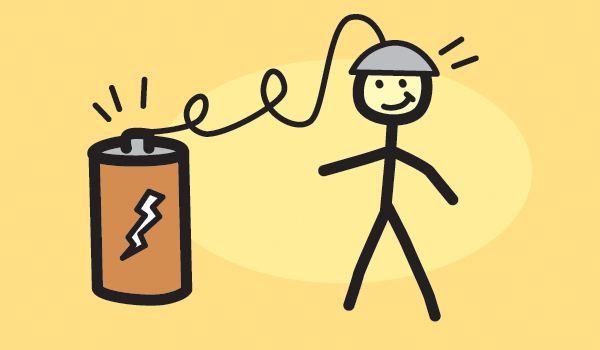
1. Find the source
It’s tough to make changes when you don’t know exactly what needs to change, but exploring contributing factors or sources of stress in your life can help.
Burnout often relates to job and professional triggers, like the stress of an increasingly demanding job. But you could also experience burnout when:
- having a rigorous academic schedule
- dealing with relationship problems, especially ones that seem to circle with no resolution
- Caring for loved ones with a serious or chronic health condition
Trying to do too much on your own also creates an ideal environment for burnout to fester.
2. Identify the immediate changes you can make
You might recognize a few ways to lighten your load right away. Three different time-consuming projects keep you working long hours, week after week?. Those with a lot of ambition to succeed in their careers are tempted to do it all. But this can backfire when you end up with no energy for anything. Instead, try accepting that doing it all isn’t realistic, and ask your supervisor to reassign one project or add someone else to your team.
Overwhelmed with work and personal commitments but still can’t bring yourself to turn down requests from loved ones?. Those with people-pleasing tendencies often take on too much to avoid letting anyone down.
If you’re already running out of hours in the day for the things you need to do, adding more tasks will only add more frustration and stress. Evaluate your existing commitments and consider canceling or rescheduling a few. The immediate relief this brings may surprise you.
3. Talk to people you trust
If you feel unsure of how to begin sorting through the causes of burnout and looking for ways to ease your stress, that’s normal. Burnout can become so overwhelming that determining how to address it still seems exhausting. It’s also hard to identify potential solutions when you feel completely spent. Involving a trusted loved one can help you feel supported and less alone. Friends, family members, and partners can help you brainstorm possible solutions. They’re close enough to your life to have some understanding of what works for you but still have enough distance to consider the situation with some clarity.
But struggling through burnout alone can make overcoming it more difficult. And you never know, your loved ones may have experienced burnout themselves and could have some valuable insight to share.
4. Take control
Burnout can make you feel powerless. You might feel as if your life is rushing past and you can’t keep up. If outside factors contributed to burnout, you might blame these circumstances and have a hard time seeing what you can do to change the situation. You may not have had control over what happened to bring you to this point, but you do have the power to take back control and begin to recharge.
To start, try these tips:
- Prioritize. Some things just have to get done, but others can wait until you have more time and energy. Decide which tasks are less important and set them aside.
- Delegate. You can’t do everything yourself, so if more tasks than you can handle need immediate attention, pass them off to someone you trust.
- Leave work at work. Part of burnout recovery is learning to prioritize work-life balance. After leaving work, focus on relaxing and recharging for the next day.
- Be firm about your needs. Talk to others involved and let them know what’s happening. Explain that you need some support in order to take care of your health and manage your workload productively.
5. Practice self-compassion
Reaching a point of burnout can bring up feelings of failure and a loss of purpose or life direction. You might feel as if you can’t do anything properly or you’ll never achieve your goals. When you reach a point of burnout, you’ve probably pushed yourself past the point of what most people would realistically consider themselves capable of for some time
Grant yourself some love and support. Remind yourself you don’t have to be perfect, and that it’s OK to need a break. So maybe you can’t complete three proposals at once. Who can? And so what if you didn’t ace that last exam? You still got a decent score. In the end, all you can do is your best with the strengths you have. But you’ll find it easier to use those strengths when you aren’t running on empty.
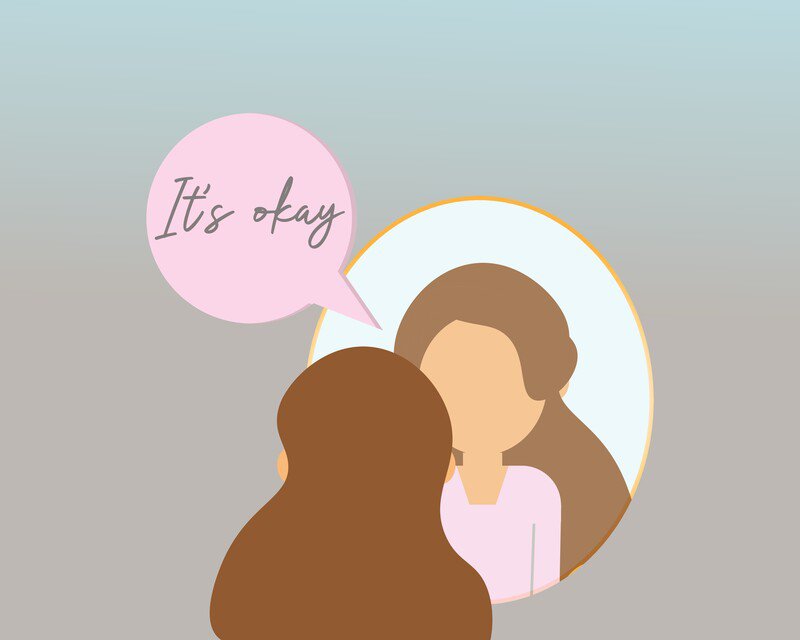

6. Talk to a Therapist
Confronting burnout isn’t easy, especially when it’s already taken a toll on your personal relationships and quality of life. A therapist can offer professional guidance by helping you identify causes, explore possible coping methods, and navigate any life challenges contributing to burnout.
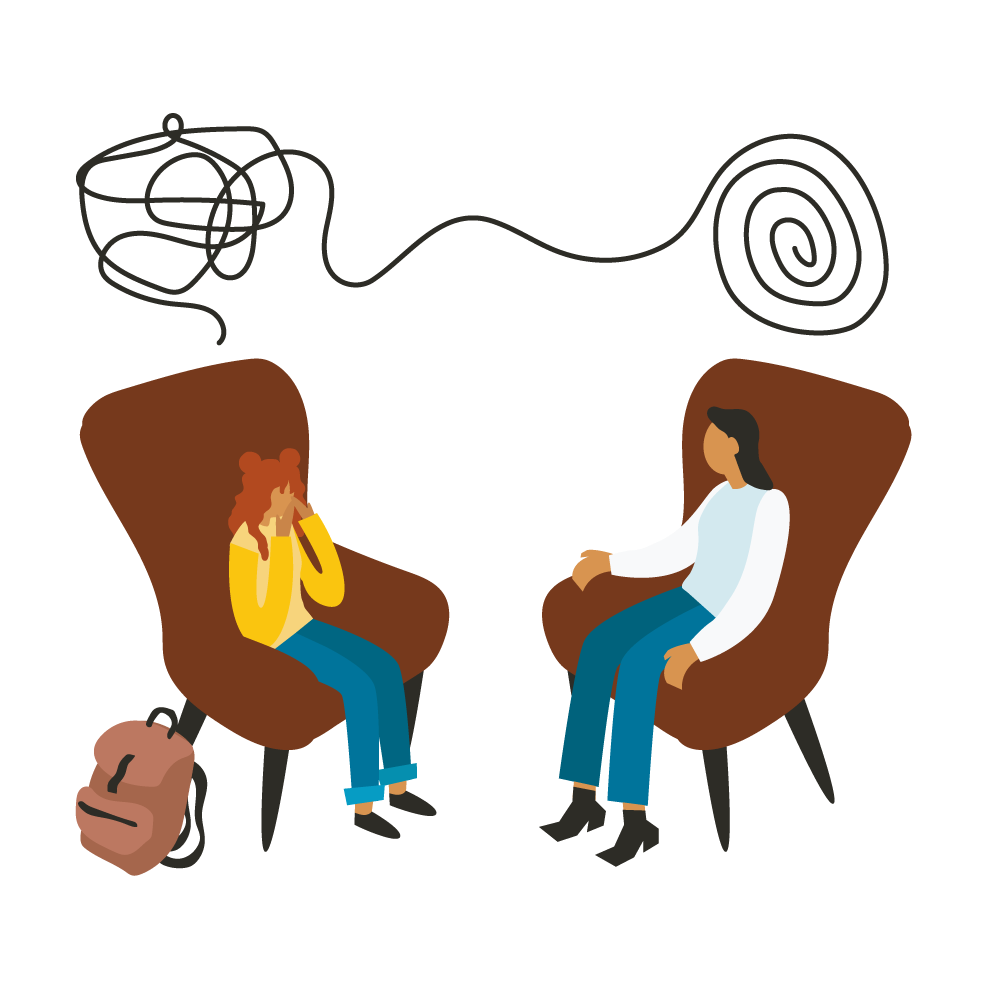
Burnout can provoke feelings of helplessness and can also play a part in feelings of depression, so it’s particularly important to talk with a therapist if you:
- feel hopeless
- have a persistent low mood
- experience thoughts of harming yourself or others
Resetting yourself after burnout can be a lengthy process, but by choosing to address it, you’ve already taken the first and most important step.
 WELLNESS WEALTH KENYA
Leave a comment