
Introduction:
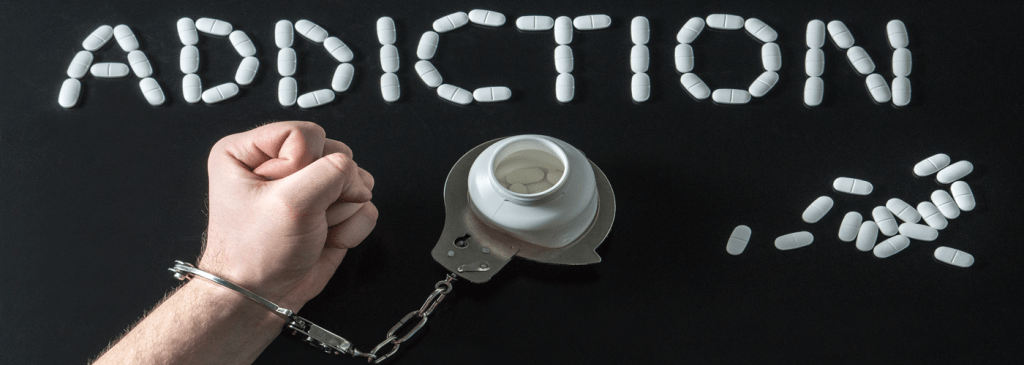
It is easy to imagine that everyone knows how it feels to have an addiction. Unless a person has experienced it personally, however, it is impossible to understand exactly what addiction can do to a life. Perhaps you have heard people joke about being “addicted” to their morning coffee. Sure, mornings would be unpleasant without it, but a serious substance abuse disorder is on an entirely different level and is no joking matter.
Addiction can be a very isolating disease. It can make you feel like you’re the only one struggling, like you’re the only one who can’t seem to get it together. But that’s not true. You are not alone. In fact, there are millions of people who are living with addiction and struggling every day. This blog post is for those people. It’s for the people who are sick of pretending everything is okay, who are ready to face their addiction and start living a better life. It’s for the people who are ready to start recovering.
1. Why is it so hard to talk about addiction?
Addiction is a condition that negatively impacts millions of people all over the world, but it is still one of the most difficult subjects to talk about. This is largely because addiction is shrouded in shame and secrecy. People with addiction feel like they are the only ones struggling, and they often feel embarrassed and ashamed to admit that they need help. Addiction is also a complex problem, and there are many misconceptions about it. This makes it difficult for people to have an open, honest conversation about addiction and its impact on their lives.
2. The stigma around addiction
Addiction is often surrounded by a lot of shame and secrecy. This is largely because of the way society looks at addiction. Despite the fact that addiction is a disease, there is a lot of judgment and misunderstanding surrounding it. This can lead to people feeling ashamed and embarrassed about their addiction, which can make it even harder to seek help. Additionally, because addiction is seen as a moral failing, people who are addicted can feel like they are unworthy of help or support. This is not the case. Addiction is a real disease that affects real people. You are not alone in this.
3. The reality of living with addiction
Addiction is not a pretty reality to live with. It’s hard, it’s scary, and it’s exhausting. But the truth is, you’re not alone. Millions of people are living with addiction, and millions more are in recovery. It’s a difficult road to walk, but you’re not doing it alone. You have all of us here to support you, every step of the way.
4. How to get help if you’re struggling with addiction
If you’re struggling with addiction, know that you’re not alone. Recovery is possible, and there are plenty of resources to help you along the way. The first step is to reach out for help. Talk to someone you trust—a friend, family member, therapist or addiction specialist. There are also helplines and support groups available that can connect you with people who understand what you’re going through. Don’t be afraid to ask for help. You’re worth it.
5. How to support someone with addiction
Addiction is a complex disease that can take a toll on the individual and their loved ones. It’s often difficult to know how to support someone who is battling addiction, but there are a few key things you can do to make a difference. First, be there for them. Let them know that you’re always available to listen and that they can count on you. Second, don’t judge them. Addiction is a disease, and it’s not their fault. Finally, be patient. Recovery is a long process, and it’s not always easy. Just be there for them and offer your support, and they will eventually recover.
Conclusion:
Addiction is a complex disease that can be incredibly difficult to deal with, both for the person struggling with addiction and for their loved ones. It’s important to remember that addiction is not a character flaw or a sign of weakness, and that people with addiction deserve compassion and understanding. If you’re struggling with addiction, please know that you’re not alone and there is help available. And if you’re supporting someone with addiction, please know that you’re doing an amazing thing and your support is invaluable.
 WELLNESS WEALTH KENYA
Leave a comment